Fighting against the stabbing pain, the woman in the bed wrinkled the skin on her forehead. Her eyebrows were sparse, gnawed on by chemotherapy. Twisting her face into a grimace, withstanding the pain, her nose looked sharper. Then she closed her eyes behind drooping eyelids. No traces were left to show that once, curling eyelashes had grown there. These had been the subject of never-ending praise from her husband, Abdullah Peureulak, who now sat speechless at the side of the bed.
Wanting to share her pain, Abdullah gently placed his hand under his wife’s, taking up her fingers and threading them between his. In her husband’s grip, the woman’s fingers became warm. It was only the warmth brought by her husband’s blood that flowed through his fingers. Abdullah knew that his grip was nothing more than an expression of sympathy. How painful the disease was, only his wife knew. At the edge of the bed Abdullah was no more than a husband slowly losing his mind. He didn’t know how to share this pain with his wife.
The smell of chloroform and the glare of the sun caught in the opaque windowpane surrounded Abdullah, who leaned forward and kissed his wife’s cheeks and lips for the hundredth time.
Those eyes. His wife’s eyes . . . ah, he still remembered the first time he embraced his wife and beheld her eyes, closed, hiding her bright round irises, thirty years ago. Those eyes had their own contribution to their life together. Those eyes had never ceased to be a source of amazement, to the point that Dewangga Suciati, the woman who became his wife, became awkward before her husband, not knowing how to respond to the shackles of praise and flattery that, whispered, fell in a torrent from her husband’s lips, even later, when both their children had grown to adulthood. But, now those eyelids, those eyebrows, those round irises that stirred his soul were the only remainder of her struggle against the disease that had tortured her for the past two years.
By: Diana van Oort
During lunch at work we share stories about our cultures. Ghost stories were the most recent topic. Many ghost stories revolve around the Japanese occupation of Malaysia during WWII and the many, many atrocities the Japanese committed. Some places are ‘off limits’ because the ghost of the victims are still wandering around and could cause harm.
Another Malay story revolves around the so called Toyol (or Tuyul), my colleague Abu enthusiastically explained. It’s a greenish looking toddler with big reddish eyes, a big, bald head, pointy ears and sharp teeth that is kept and raised by its owner to steal money and valuables. If jewellery and money suddenly go missing from your home, a Toyol can be at work.
By: Dalih Sembiring
In Indonesia, a long enough chat sometimes entertains the topic of the supernatural. This writing helps you join in the fun and introduces you to some of Indonesia's most scary beings (that most Indonesians to a certain degree do believe in).
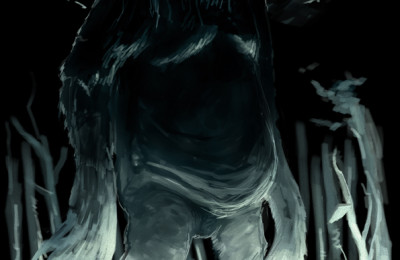
You may hear something like: “Friend of a friend said he saw a female specter sporting a white robe and long hair.” Or: “You may believe this or not, but a giant, hairy ghoul haunts an abandoned house in my neighborhood.”
True or false, wild imagination or public truth? Read on and meet an eclectic cast of ghosts in Indonesia!
With 17,508 islands Indonesia has it all: bustling cities, green rice paddies & glorious beaches. Read all about it in our Indonesia travel guide.
Malaysia, truly Asia! Read about multicultural Malaysia, the people, the culture & the food in our Malaysia travel guide.
The city state of Singapore is an eclectic metropolis. Get to know the hot spots & explore the urban jungle with our Singapore travel guide.